
 United Kingdom
 China
China Hong Kong SAR
 India
India Indonesia
 Japan
Japan Malaysia
 Singapore
 Taiwan
 Thailand
 Turkey
Where can foreigners buy property in Dubai? Freehold areas explained
Dubai has always been popular globally for its ambitious, luxury and rapid real estate growth. So, if you're an international investor waiting long time for a piece of this market, your first big question will most likely be: Can expats actually buy property here?
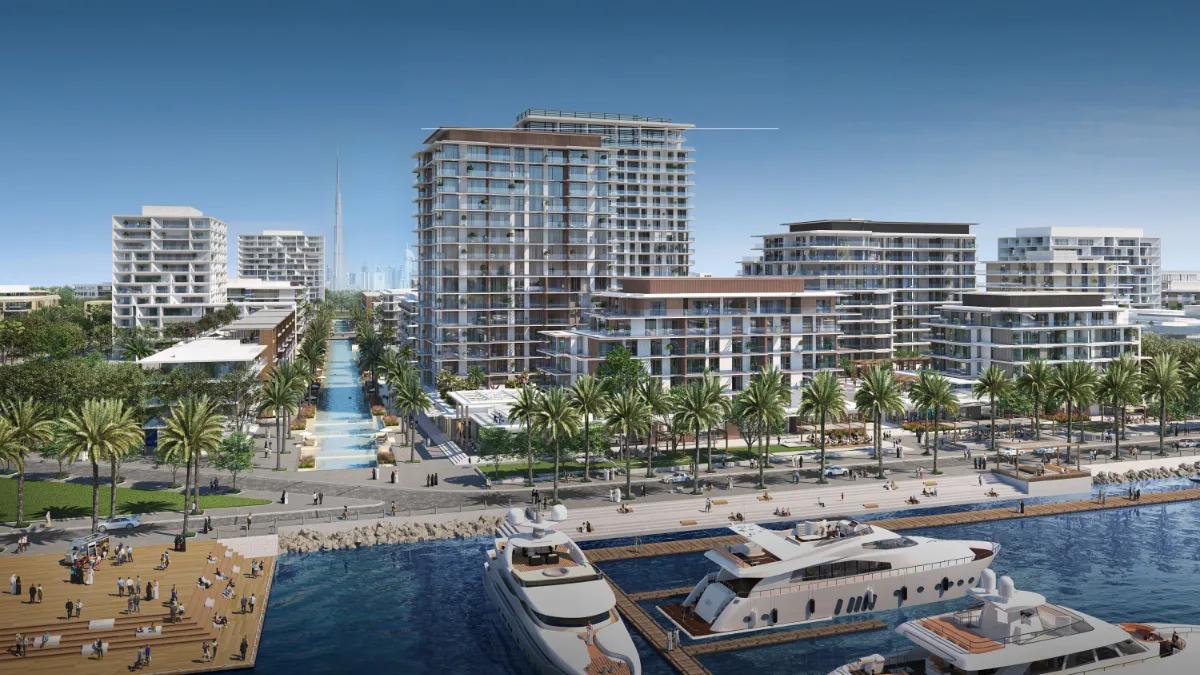
The short answer is absolutely yes! However, making it successful means understanding the specific foreign ownership zones the city has established to keep operations running smoothly.
Popularly known as the freehold areas, these designated neighbourhoods are the exact spots where international buyers can get complete 100% legal control over their new real-estate assets.
Understanding property ownership for non-residents
The Dubai real estate market relies on two unique legal frameworks for overseas buyers:
Freehold and Leasehold
Freehold Ownership (100% Rights): Buying a freehold property grants the investor with the absolute ownership of both the structure and the land it stands on in perpetuity. The owner is free to sell, lease, or pass the property down as an inheritance.
Leasehold Ownership (Rights up to 99 years): Leasehold grants the buyer the right to occupy and use the property for a fixed period, typically ranging from 30 to 99 years. The ultimate ownership of the land remains with the freeholder or landlord.
Bustling city ambience and waterfront views
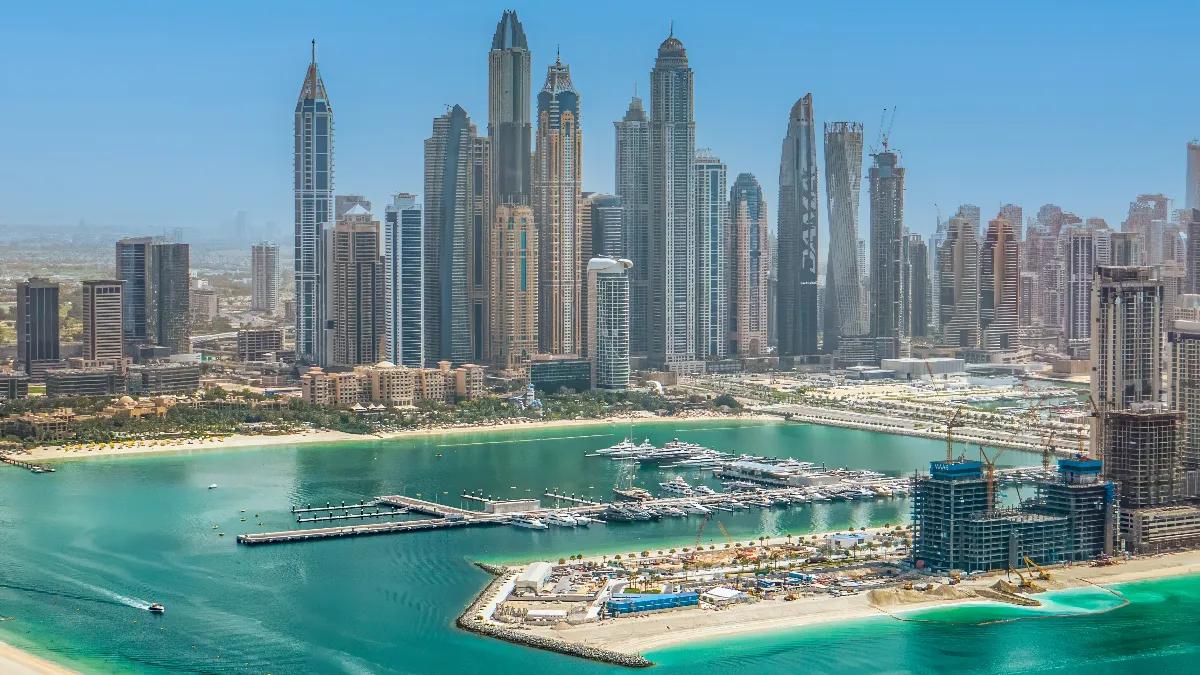
Dubai Marina & Jumeirah Beach Residence (JBR): If waking up to water views is your thing, this is the spot. It's packed with luxury high-rises and is a massive hit with renters, signifying high rental income for investors.
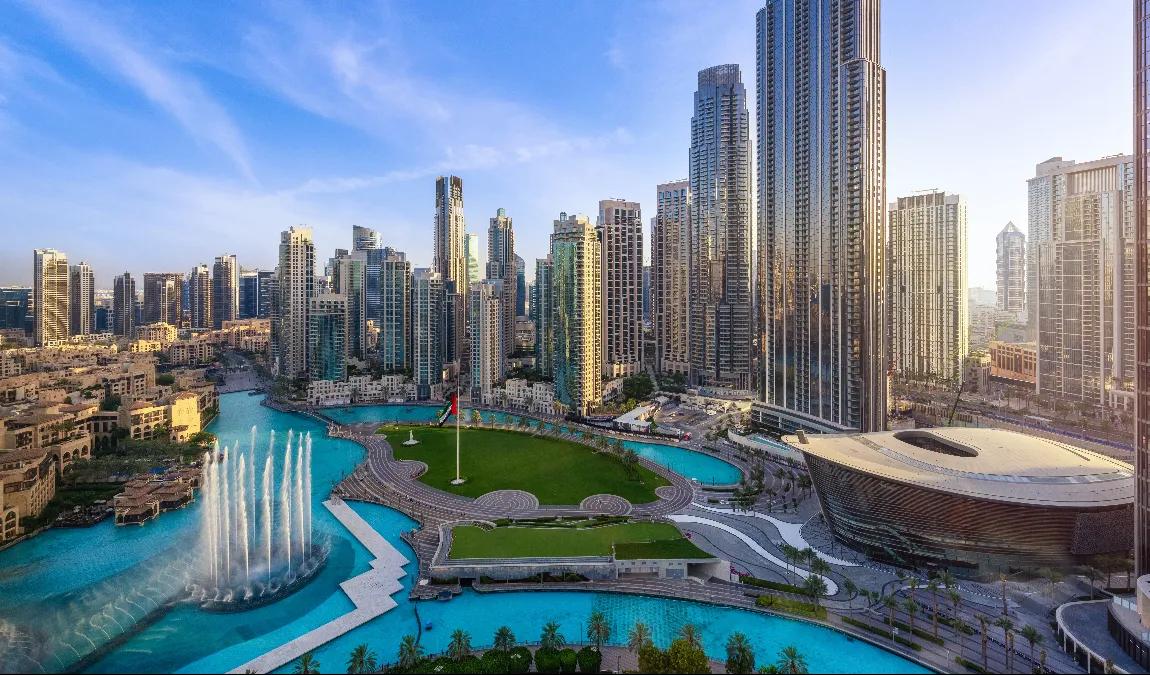
Downtown Dubai: Being the true heart of the city, living here puts you right next to Burj Khalifa in an ultra-premium apartment that holds its significant value over time
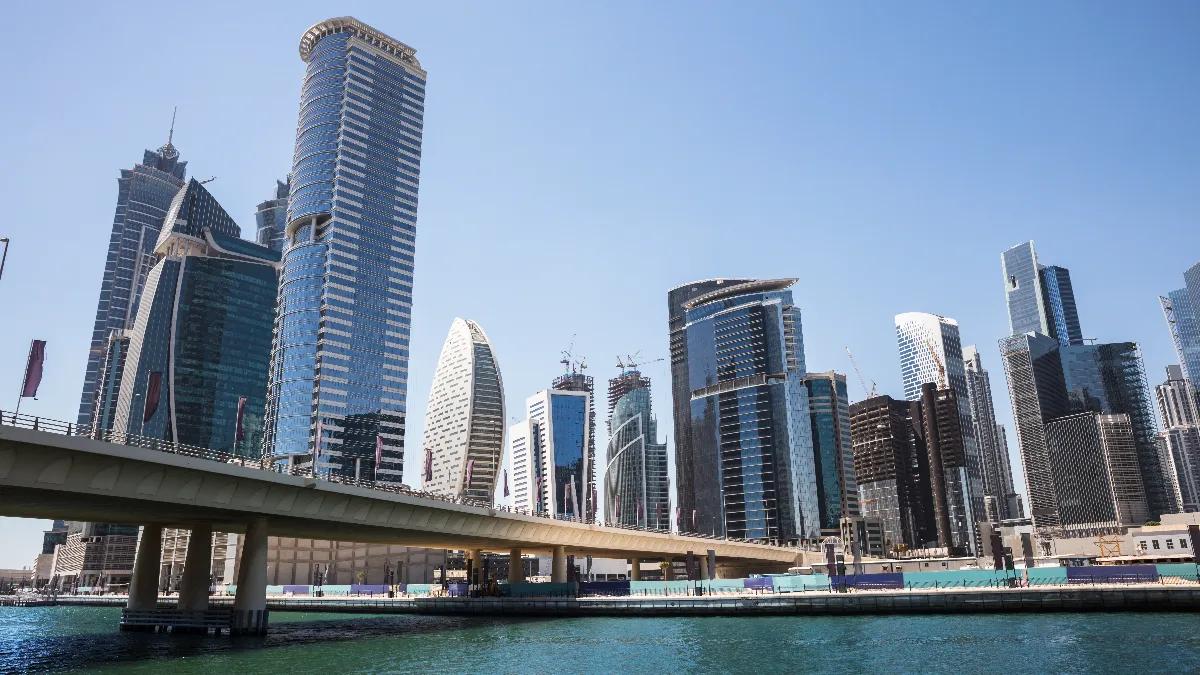
Business Bay: A high-energy mix of corporate towers and stylish residential buildings sitting right next to the scenic Dubai Canal.
Quiet gated and neighbourhood and luxury villas
Palm Jumeirah: This world-famous, man-made island is known for premium luxury. Also, it's stunning beachfront villas and high-class beachfront villas and penthouses with incredible sea views.
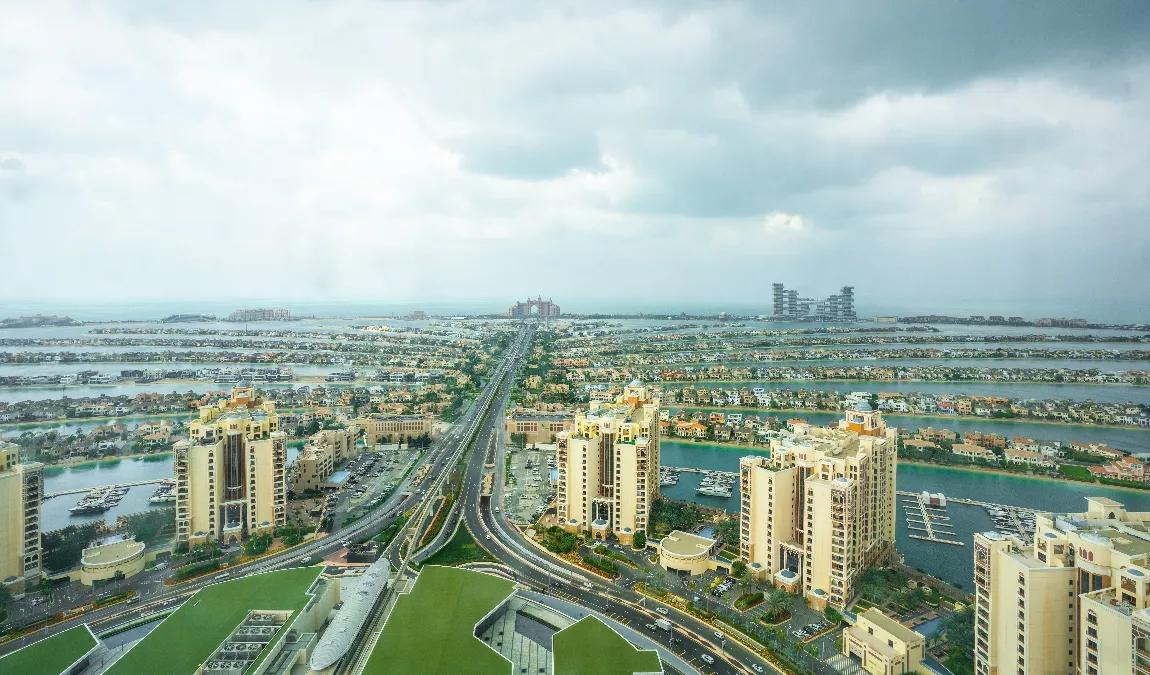
Arabian Ranches (I, II, III): This is the ultimate family neighbourhood. It's a peaceful suburban community with several parks, green walkways and perfect space for kids' playing activities.
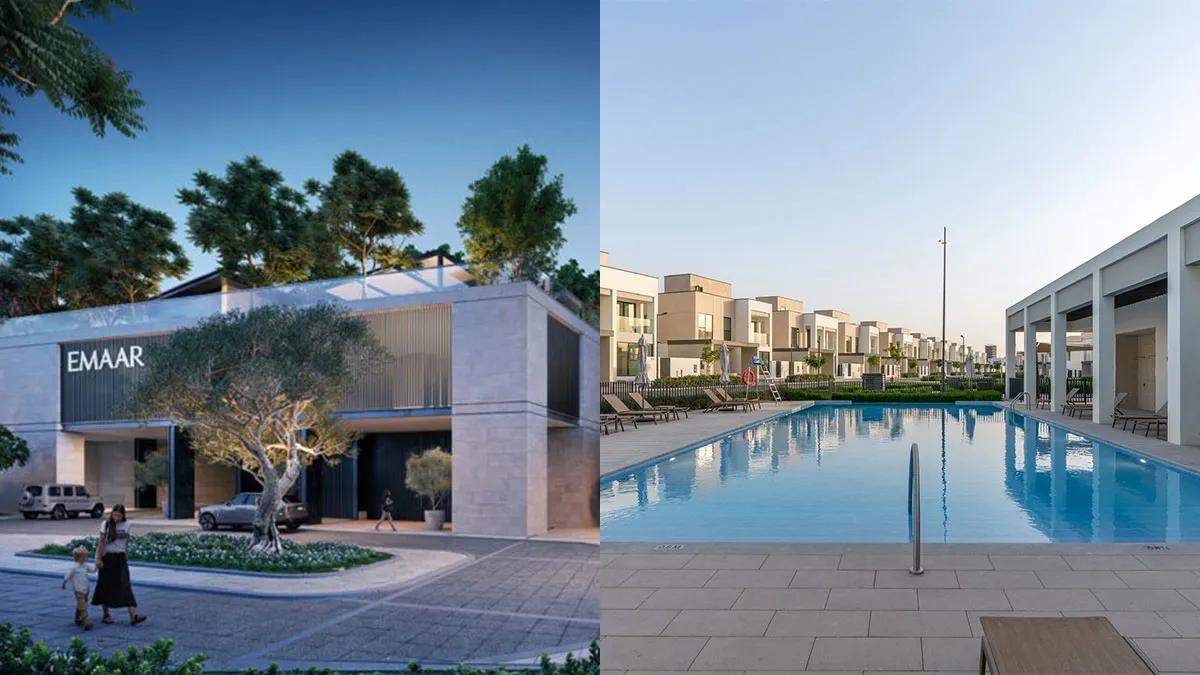
Dubai's Hills Estate: A massive, beautifully planned community that hits the right spot between city life and nature, all built around a stylish 18-hole championship golf course.
Emerging freehold hubs for 2026
As Dubai's classic central neighbourhoods fill up, new infrastructure is turning once-quiet corners into huge investment opportunities. So, if you're hunting for the best areas for property investment Dubai 2026, has to offer, the following fast-growing zones should definitely be on your list:
Dubailand (and the expanding Binghatti areas): This massive region is steadily becoming the city's next big residential giant. Developers are largely shifting their focus here, building spacious, high-end villa communities that offer buyers a lot more breathing room and a great value for the offer.
The Dubai Metro Gold Line Corridor: Freshly approved transit routes are a game-changer for early-stage investors. Buying off-plan properties near this upcoming line is a smart move, as nearby projects are expected to witness a major jump in value well before the trains even start running.
The Golden Visa perks
Buying a home in a freehold zone is also your golden ticket to long-term residency. Under the UAE's current setup, real estate investors can secure a 10-year Golden Visa.
To qualify, you just need to buy a property valued at AED 2 million (around USD 545,000) or more inside a registered freehold area. And the best part is that the recent rule updates have made this enormously flexible; the threshold applies to both ready-to-move-in homes and off-plan projects, and you no longer need to make huge cash transactions to qualify.
This entry makes Dubai one of the most secure and attractive places in the world to invest and reside.
FAQs
What is the difference between freehold and leasehold in Dubai?
Freehold yields absolute ownership of the property and land forever. Leasehold gives you ownership rights for a limited period, maxing out at 99 years, while the land title stays with the freeholder.
Can an expat own 100% of a property in Dubai?
Yes, expats and overseas non-residents can hold 100% outright ownership of real-estate, provided the property is located within an officially designated freehold zone.
Which are the best freehold areas in Dubai for investment?
For high rental yields, Dubai Marina and Business Bay holds a prominent place. For capital appreciation and premium luxury, Downtown Dubai, Palm Jumeirah and Dubai Hills are the best performers.
Is buying property in Dubai a good investment for expats?
Yes! Dubai offers you with competitive tax-free rental yields averaging 6% to 9%, strong regulatory protections via the real Estate Regulatory Agency (RERA) alongside structural long-term capital growth.
Do I need a residency visa to buy property in Dubai?
No, you do not need a residency visa to buy property in Dubai. You can buy property directly using a valid international passport.
Getting hands on the right property in Dubai's booming freehold market requires localised expertise along with a global perspective. Whether you're seeking a luxury waterfront apartment in Dubai Marina or a high-yielding off-plan villa along the upcoming Metro Gold Line, Benham and Reeves is here to ease the process. With our decades of global real estate experience, our dedicated team helps you identify prime investment zones, maximise rental yields, and seamlessly streamline the Golden Visa process.

View all posts by Leanne Ruscoe

Benham and Reeves UAE
BRITISH OWNED & OPERATED
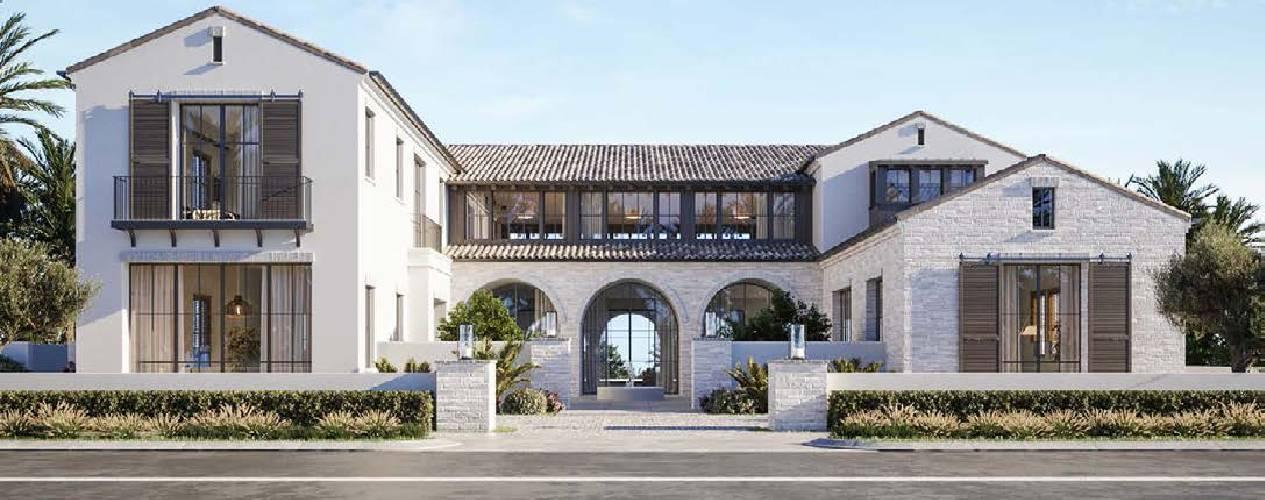
Hudayriyat Island, Abu Dhabi
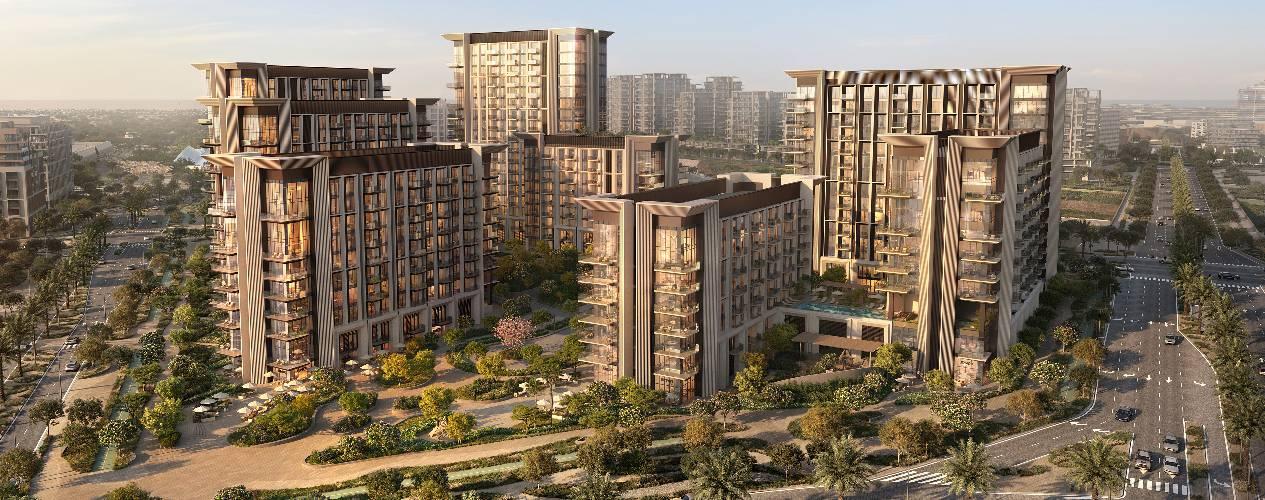
Saadiyat Island
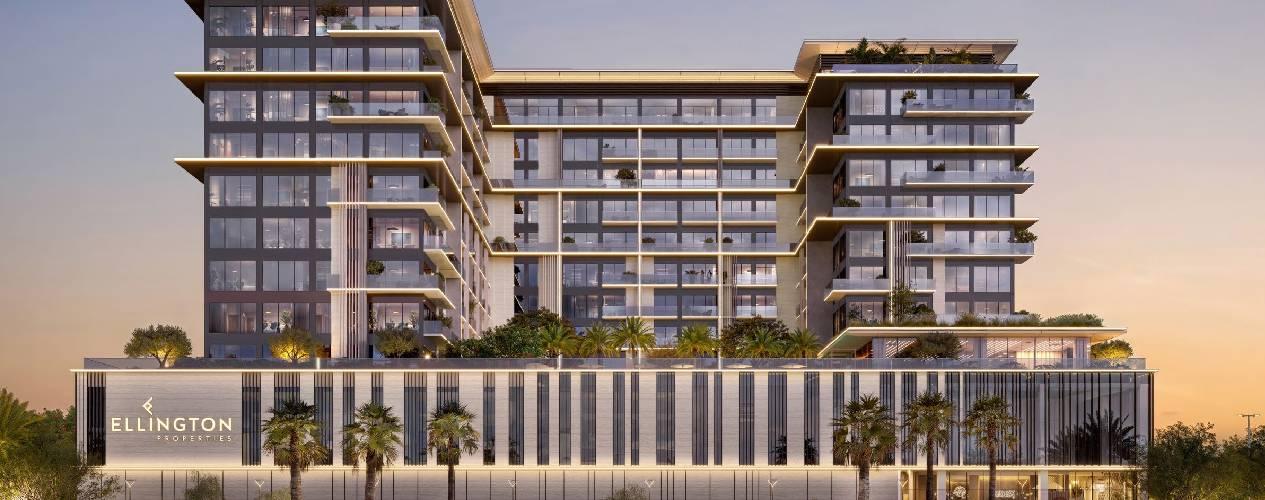
Mohammed Bin Rashid (MBR) City, Dubai
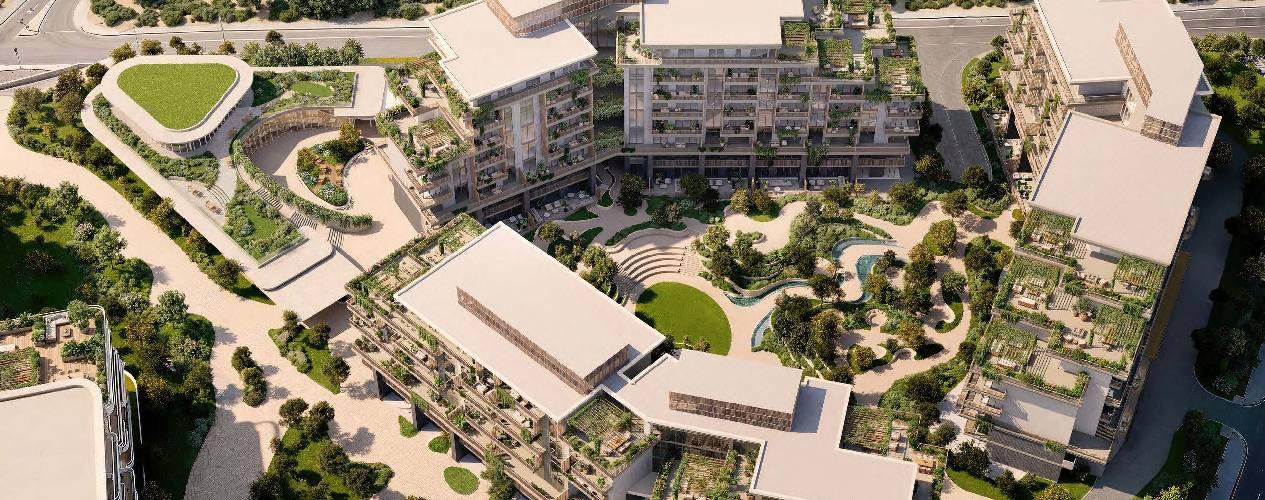
City of Arabia, Dubai
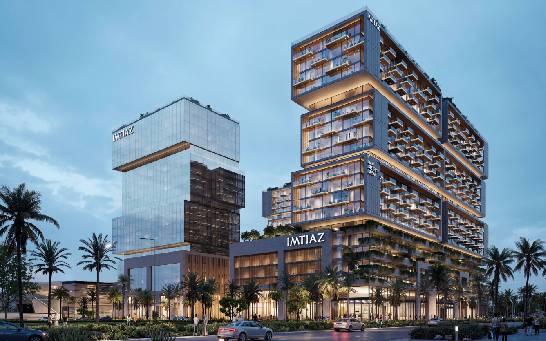
Downtown Jebel Ali
Sign up to our newsletter
SubscribeLatest news
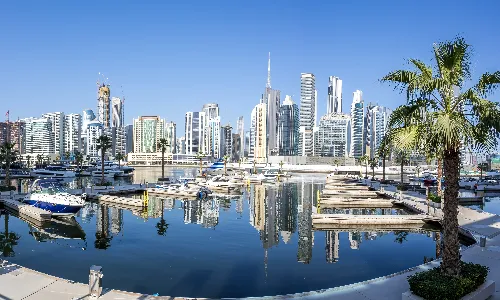
UAE Property Market Update - September 2026 and what lies ahead
September was another massive month for real estate in the UAE, with buyers and investors keeping both...
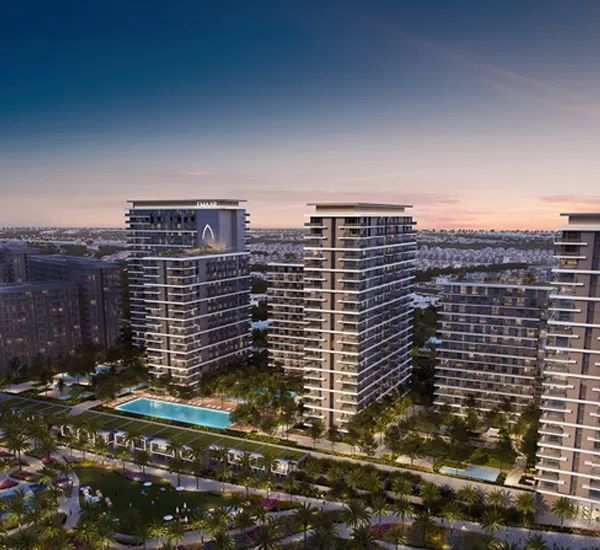
Dubai’s handover wave is here - Which communities could see the biggest property impact in 2026?
Dubai’s 2026 property story is becoming less about what developers have launched and more about what is actual...

Dubai’s Rent Now, Pay Later Scheme - How DLD’s new model could change the rental market
Paying rent in Dubai could soon look quite different. A new Dubai Rent Now Pay Later model being developed by...
Dubai real estate investment guide
Download our free guide to real estate investment in Dubai. A comprehensive guide designed to facilitate your real estate purchase and get the best return on investment.