
 United Kingdom
 China
China Hong Kong SAR
 India
India Indonesia
 Japan
Japan Malaysia
 Singapore
 Taiwan
 Thailand
 Turkey
Dubai's Blue Line - Why the city is switching car keys for metro cards
Dubai has always been a bustling city, but its latest project is less about speed and more about the flow. You must have witnessed the growing pains of a city expanding faster than the lanes on Sheikh Zayed Road can keep pace. That's why the recent news from the RTA is so refreshing: the heavy machinery is officially moving, and tunnelling for the Dubai Blue Line has already begun.
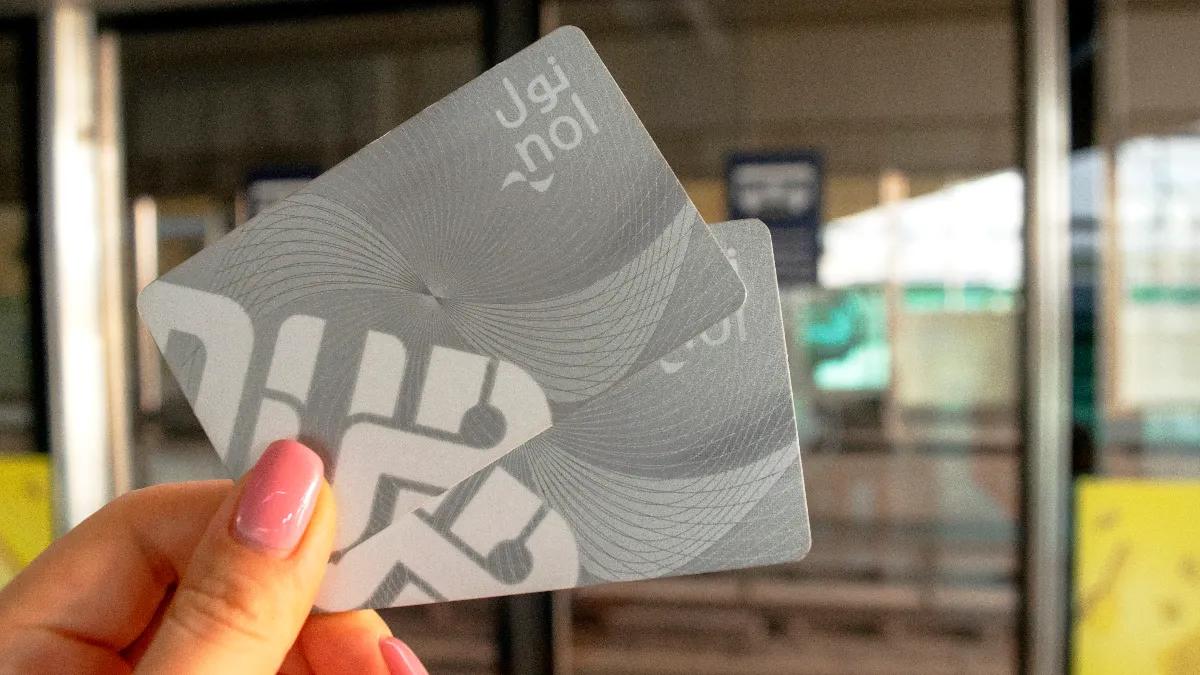
This isn't just about adding a few more kilometres of track to the Dubai Metro Line expansion 2026 roadmap; it's a total rethink of how you live here. By the time the first trains roll out in September 2029, the Blue Line will have fundamentally changed the city's rhythm. It's a shift from a place where you need a car to a place where you actually want to walk, connect and network.
So, what exactly is the Blue Line
Think of the Dubai Blue Line as the missing link that finally brings the city's transport system together. It's a brand-new, 30 km stretch of track that acts as a bridge between the Red and Green lines we already use.
Here's what makes it so special:
14 new stations: It's ready to add 14 stops to the map, including three "interchange" stations (where you can hop from one line to another) and two stunning, landmark stations that are bound to be quite popular in the near future.
Connecting the dots: It's precisely designed to link the busy "old" parts of Dubai with the "new" residential areas that have become increasingly popular in recent years.
Built for the future: Dubai's population is growing fast, and this line is being built to handle that surge, ensuring the city keeps moving without everyone having their own conveyance.
The new map: Where will the Blue Line take you
If you've ever lived in Mirdif or International City, you know the commute struggle is real. Up until now, these areas have mostly been dependent on cars and buses to get around. The Dubai Line is changing the game by bringing the metro right to your doorstep.
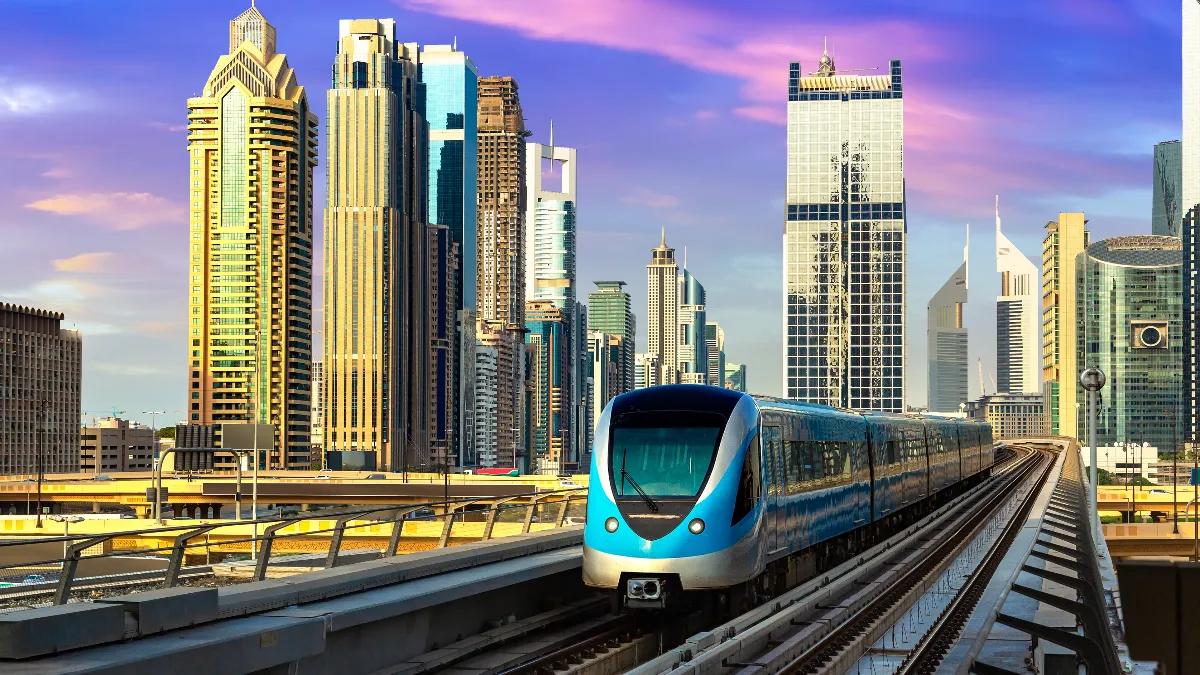
Here are the major neighbourhoods getting a major upgrade:
For the residents: Direct links for those living in International City, Warqa'a and Rashidiya.
For the shoppers and tourists: Easy access to Dubai Festival City and the stunning Dubai Creek Harbour
For students & techies: A straight way to Academic City and Dubai Silicon Oasis
More than just tracks: Dubai is becoming a walking city
Between the new Blue Line and the recently announced Gold Line, Dubai is making a huge shift from a city built for cars to a city built for people. The goal is to bridge what experts call the "first and last mile" gap, a 20-minute lifestyle. The RTA wants 80% of your daily needs, like groceries, gyms, and cafes, to be within a short walk or bike ride from a metro station.
By making public transport in Dubai so convenient, the city is encouraging you to ditch traffic and car keys. It's a great move that doesn't just cut down on road rage and CO2, it makes our neighbourhoods feel more like communities and less parking lots. In short, the Blue Line is the backbone of a greener, healthier and much more breathable Dubai.
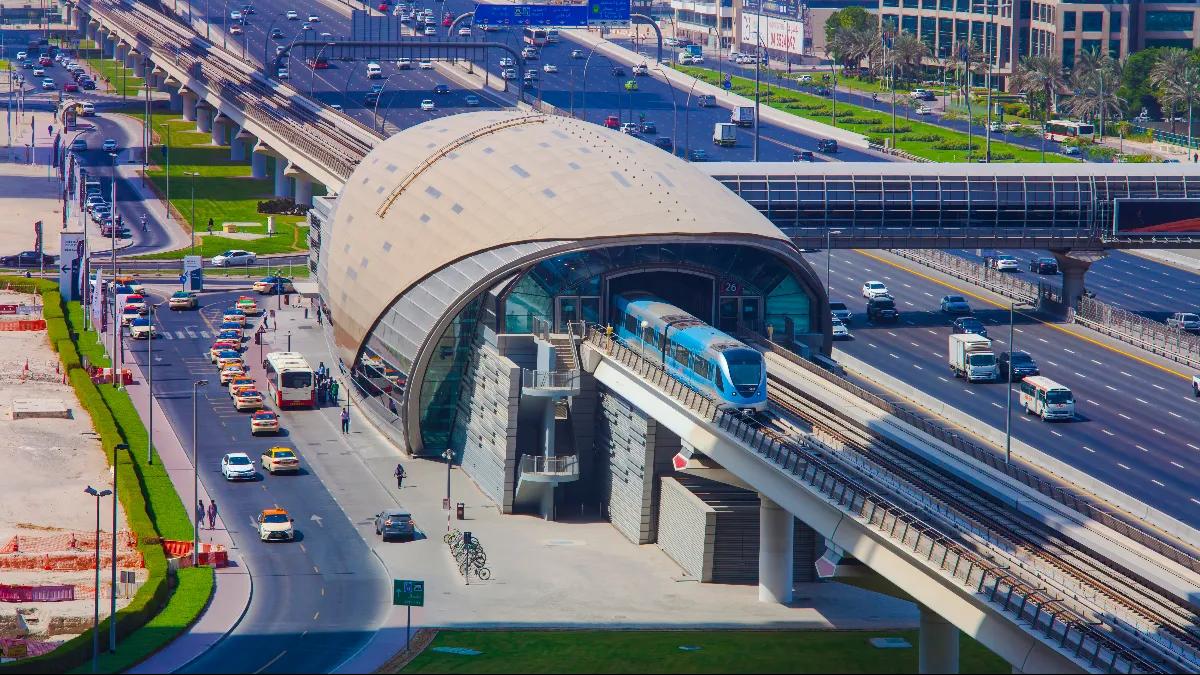
At Benham and Reeves, we've closely seen how infrastructure drives global real estate, and Dubai's new Blue Line is the perfect example of the "Metro effect." For investors, this expansion is a major value driver; historically, properties near Dubai Metro stations outperform the general market, offering valuable, higher rental yields and stronger capital growth.
Now, as we approach the 2026 milestone for the Dubai Metro expansion and the 2029 launch, proximity to a station is becoming the new "gold standard" for Dubai real estate. Ultimately, the Blue Line is more than just a transit project, it's a blueprint for a more prosperous city. Whether you're a homeowner or a potential investor, the best time to position yourself in these high-growth zones is now.
Get in touch with us to know more!

View all posts by Leanne Ruscoe

Benham and Reeves UAE
BRITISH OWNED & OPERATED
Saadiyat Island
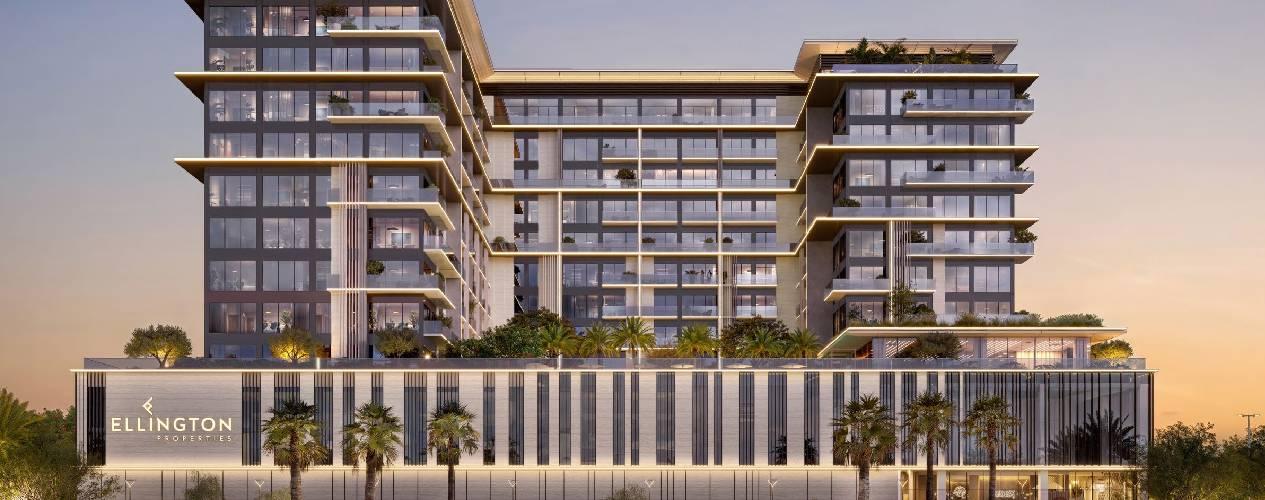
Mohammed Bin Rashid (MBR) City, Dubai
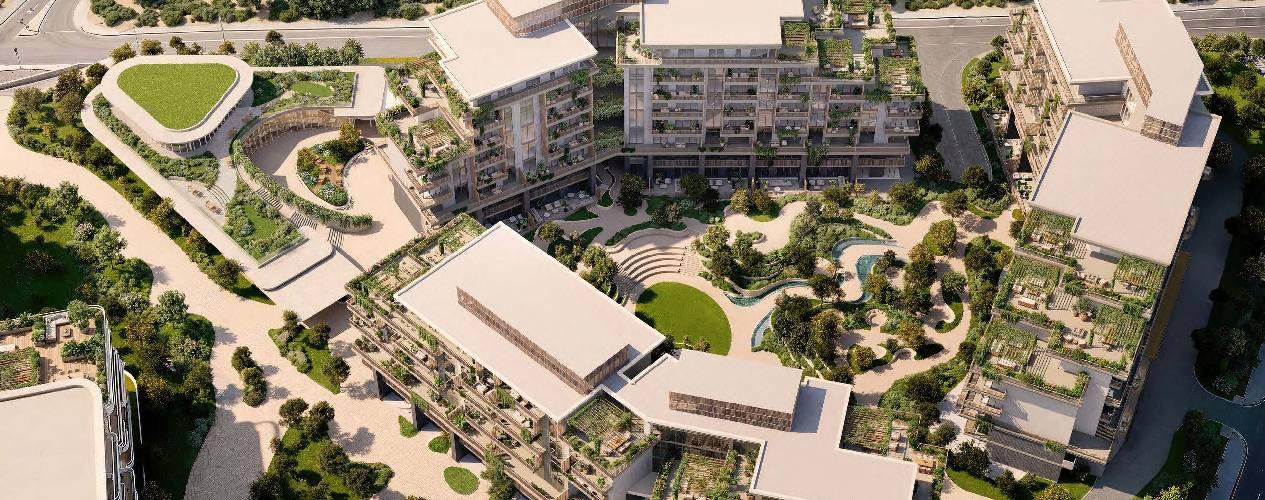
City of Arabia, Dubai
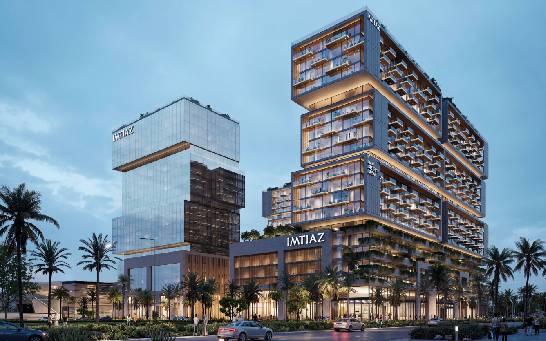
Downtown Jebel Ali
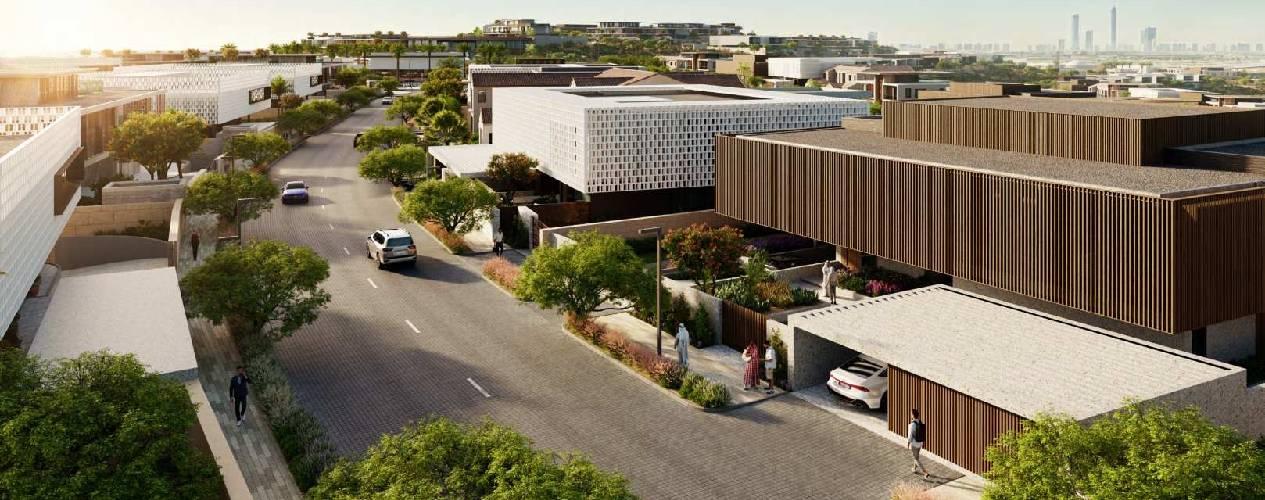
Hudayriyat Island, Abu Dhabi
Sign up to our newsletter
SubscribeLatest news
Dubai’s handover wave is here - Which communities could see the biggest property impact in 2026?
Dubai’s 2026 property story is becoming less about what developers have launched and more about what is actual...

Dubai’s Rent Now, Pay Later Scheme - How DLD’s new model could change the rental market
Paying rent in Dubai could soon look quite different. A new Dubai Rent Now Pay Later model being developed by...
How to check your Dubai property project status - A guide to the DLD's "Mashrooi" Service
Buying an off-plan property in Dubai usually comes with waiting periods or even years before the development...
Dubai real estate investment guide
Download our free guide to real estate investment in Dubai. A comprehensive guide designed to facilitate your real estate purchase and get the best return on investment.