
 United Kingdom
 China
China Hong Kong SAR
 India
India Indonesia
 Japan
Japan Malaysia
 Singapore
 Taiwan
 Thailand
 Turkey
Q1 2026 market wrap-up - Key trends and what they mean for your next move
Property advice | 22.04.2026 | Leanne Ruscoe
Q1 2026 marks a turning point, Dubai's property market is no longer racing ahead, but settling into a smarter, more sustainable rhythm with steady growth and resilient fundamentals. For buyers and investors, this shift opens a rare unique spot: less hype, better deals, and a more strategic, long-term opportunity.
The initial first three months of 2026 reflect that the UAE real estate market is changing more than ever. This "crazy" fast growth we saw after the pandemic is slowing down, and the market is on the track of becoming more stable and mature. So, for anyone looking to buy or invest, this signifies that the market is now more professional, better regulated and offers a better variety of investment options.
Dubai property market Q1 2026 review: From hyper-growth to stability
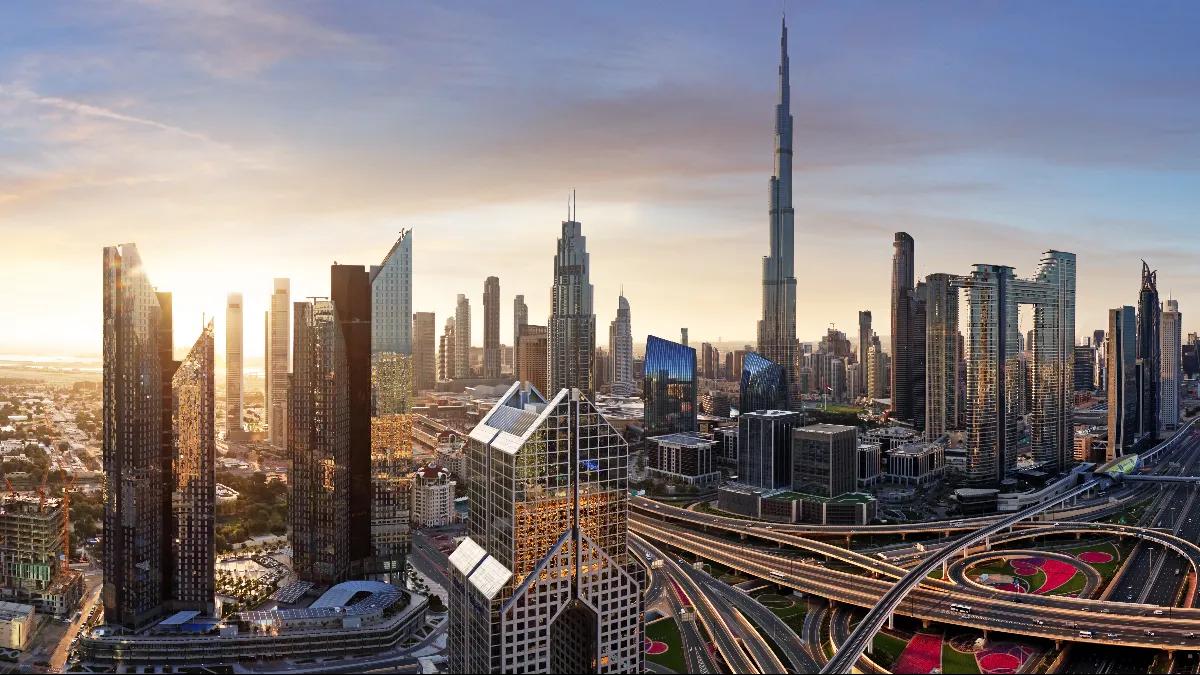
At the start of 2026, Dubai's real estate market showed strong growth, but the scenarios have changed a little. After the sharp price increases between 2020 and 2025, Q1 2026 shows a more balanced and stable trend.
According to current Dubai Q1 2026 market updates, property prices are now rising at a steady 3-5% per quarter, instead of the double-digit jumps as seen in previous years.
This "cooling" is actually a smart move. It means:
- There's a lower chance of price bubble
- The market is becoming more stable and less risky
- Infrastructure and housing supply can better keep up with population growth
At the same time, different segments of the market are performing differently:
Overall, this shift shows that Dubai's real estate market is rising towards long-term sustainability rather than short-term spikes, which indicates a positive sign for both investors and homebuyers.
Understanding regional context: Turning uncertainty into opportunity
Without considering the present regional geopolitical environment, it becomes impossible to discuss the UAE property market trends 2026. While global headlines might showcase the uncertainty, Dubai's property market has historically positioned itself as a safe haven for investors.
That being said, the present climate has made an impact on developer strategies. To sustain strong sales momentum, many Tier-1 developers are now offering more attractive incentives in comparison to what we witnessed in 2024.
The shift is creating a valuable window for Dubai property investment 2026, where buyers can take advantage of:
In simpler terms, while there may be caution in the broader region, it is transforming into better deals and a better flexibility within Dubai's property market.
Off-plan dominance and the supply demand gap
Off-plan properties continue to lead the Dubai property market updates, making it around 60-65% of total transactions in Q1 2026. Some of the major developments like the expansion of the Al Maktoum International Airport and the ongoing transformation of the Expo City Dubai have been the strong pillars of this growing demand.
Also, according to the Dubai real estate outlook Q1 2026, there is a very interesting gap in the market. While many new projects are being launched every month, the number of fully ready homes for handover remains limited.
This imbalance is being driven by:
The rental shift: Emerging areas in focus majorly
In Q1 2026, rental growth has started to overshadow the price growth in certain areas, especially in the emerging residential hubs.
While prime locations like Downtown Dubai and Dubai Marina stay popular, more affordable communities like Dubai South, Jumeirah Village Circle, and Arjan are seeing some of the highest rental yields., comprising around 7-9% net.
In addition, with ongoing metro expansions improving connectivity, these areas are rapidly becoming an attractive option for working professionals and families. Also, at the same time:
All in all, these trends highlight how the market is growing, not just in terms of investment, but also how people are choosing to reside in the city.
Abu Dhabi: The power of local capital
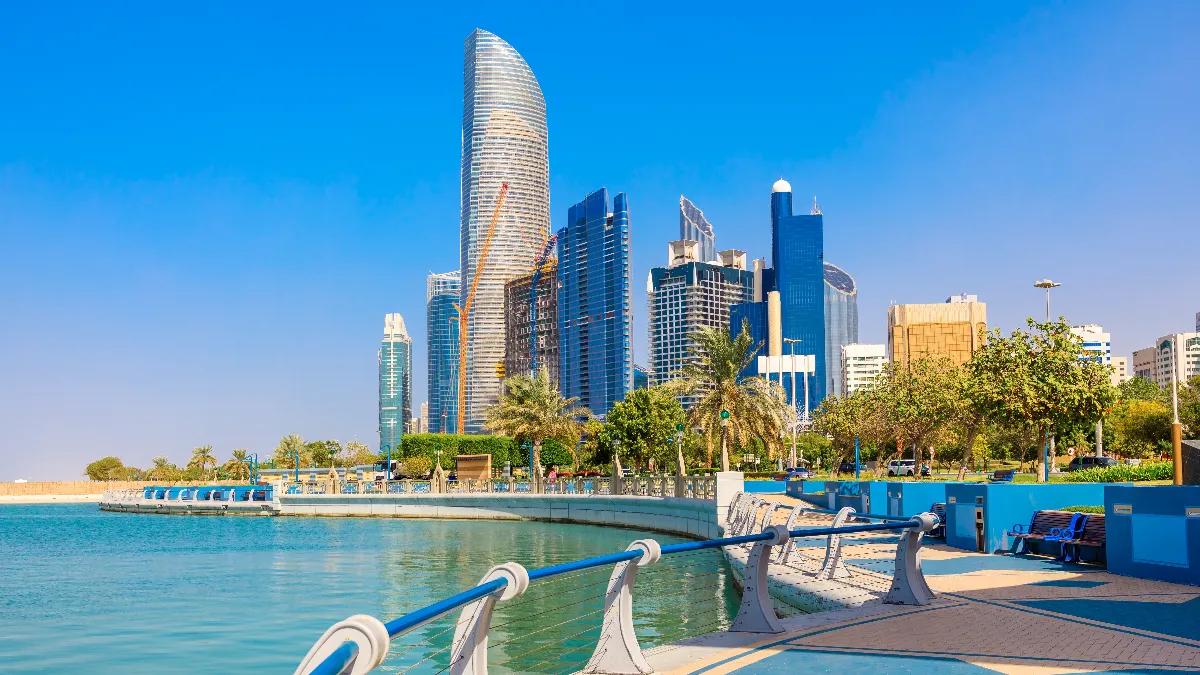
The Abu Dhabi real estate market in Q1 2026 is showing strong signs of steady growth. After recording transactions worth around DH142 billion in previous cycles, the government has introduced stricter regulations to improve transparency and keep the market stable.
Unlike Dubai, which draws a lot of international investors, Abu Dhabi's growth is mainly driven by local buyers and institutional investors. This provides the market with a more stable and a long-term outlook.
Key developments are also raising demand, which includes:
Now, what does this mean for your next move?
The Dubai Real Estate Q1 2026 Review, clearly shows strong signs of change. The days of buying any property and seeing quick price doubling are over. In 2026, success mostly will depend on making smart as well as well-planned decisions.
The UAE remains a strong and a stable real estate market, with Abu Dhabi offering steady growth and Dubai driven by innovation and global demand.
Benham and Reeves helps investors understand this growing landscape, identifying the correct opportunities, securing the best deals, and ensuring smart, long-term decisions in a more balanced 2026 market.

View all posts by Leanne Ruscoe

Benham and Reeves UAE
BRITISH OWNED & OPERATED
Hudayriyat Island, Abu Dhabi
Saadiyat Island
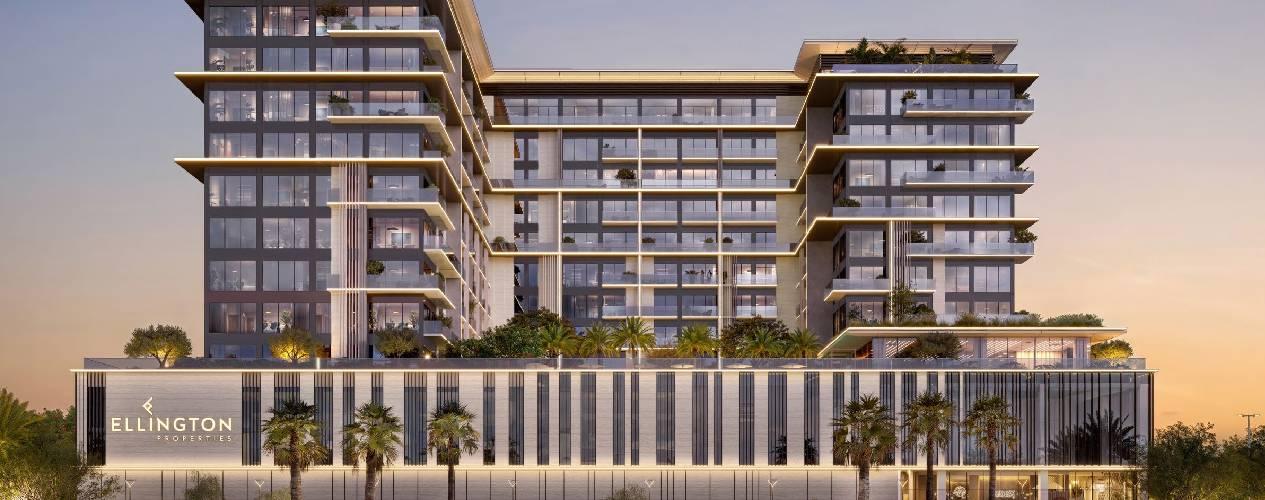
Mohammed Bin Rashid (MBR) City, Dubai
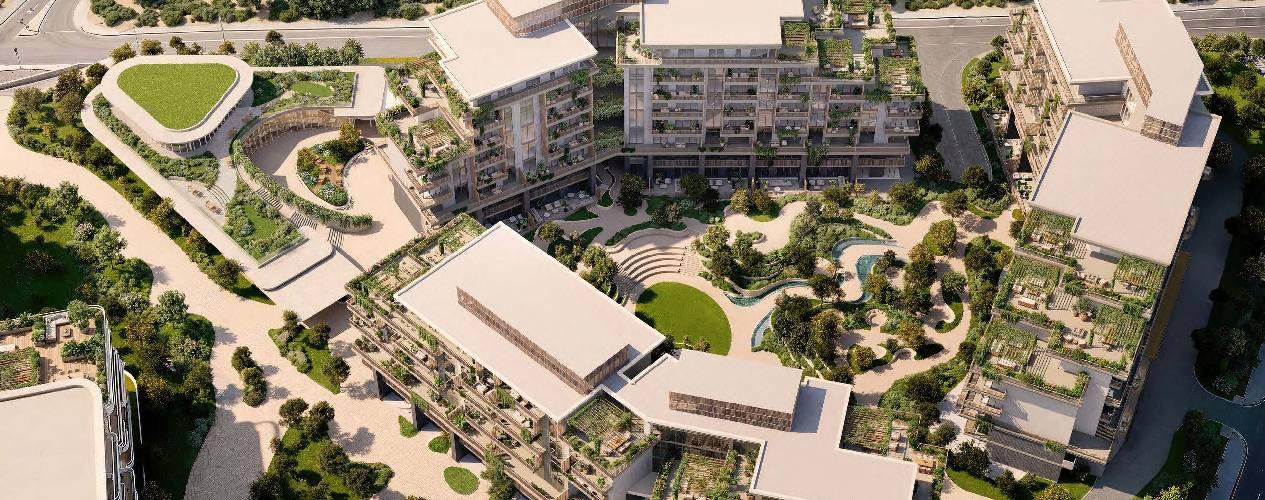
City of Arabia, Dubai
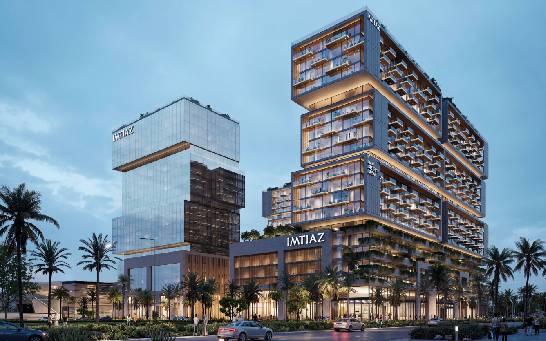
Downtown Jebel Ali
Sign up to our newsletter
SubscribeLatest news
UAE Property Market Update - September 2026 and what lies ahead
September was another massive month for real estate in the UAE, with buyers and investors keeping both...
Dubai’s handover wave is here - Which communities could see the biggest property impact in 2026?
Dubai’s 2026 property story is becoming less about what developers have launched and more about what is actual...

Dubai’s Rent Now, Pay Later Scheme - How DLD’s new model could change the rental market
Paying rent in Dubai could soon look quite different. A new Dubai Rent Now Pay Later model being developed by...
Dubai real estate investment guide
Download our free guide to real estate investment in Dubai. A comprehensive guide designed to facilitate your real estate purchase and get the best return on investment.