
 United Kingdom
 China
China Hong Kong SAR
 India
India Indonesia
 Japan
Japan Malaysia
 Qatar
Qatar Singapore
 South Africa
 Thailand
 Turkey
The real cost of living in Dubai in 2026 - A complete expat budget guide
Property advice | 23.03.2026 | Leanne Ruscoe
In 2026, Dubai can no longer be considered just a luxurious city! It has become an epitome of a lifestyle-driven market where your cost of living depends less on consumption and more on preferable choices. This guide presents you where professionals actually spend, how the costs are rising, and how effectively can you set your budget without compromising on the quality of life.
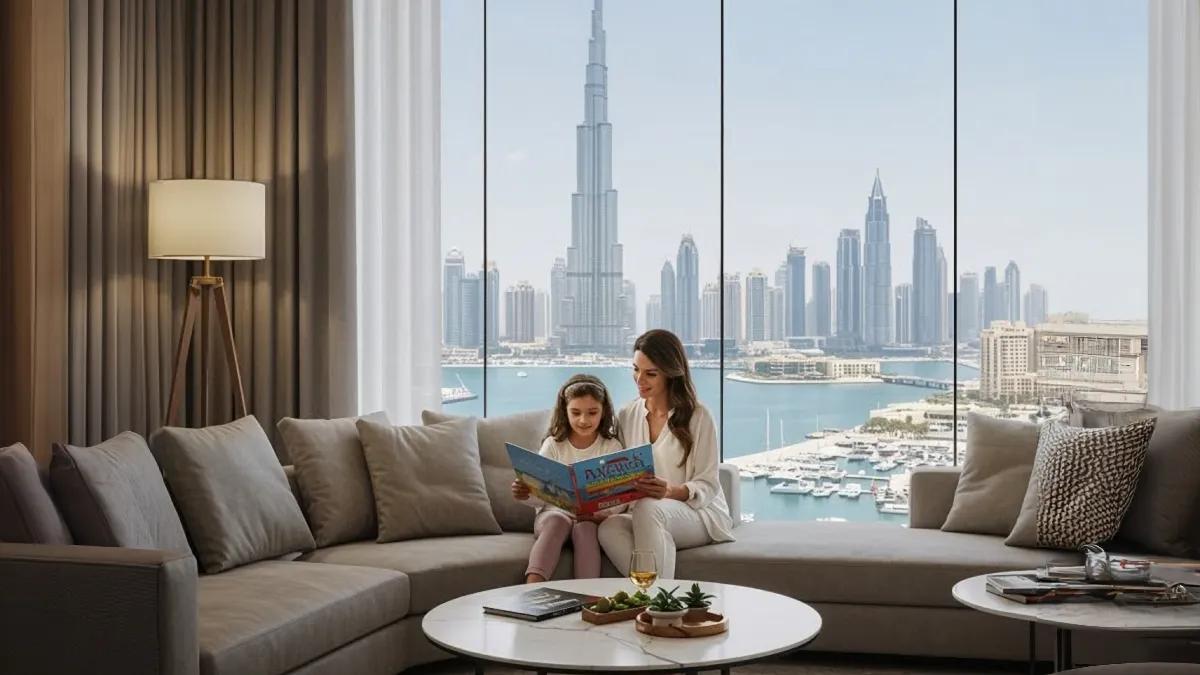
Dubai in 2026: Is it expensive or strategically in budget
A common question expats still ask is: Is Dubai an affordable city to live in 2026?
The most honest answer is: Dubai is expensive if you have zero knowledge of renting, inefficient commuting, and outsource everything. But it's surprisingly manageable if you plan out everything well.
What truly stands out in 2026 is the clarity. Rental data is more accessible, salary brackets are better defined, and lifestyle costs are no longer one-size-fits all. Dubai now offers informed residents with smarter and confident decisions.
Housing in Dubai: A lifestyle choice that shapes your cost of living
Accommodation is the single largest expense for expats in Dubai, usually absorbing 35-45% of monthly income, but in 2026, what you pay matters less than how you choose to live!
After the 2024-25 price escalation, the market has entered a new phase of price consolidation, not a correction! Well-connected communities with resilient infrastructure and transit access continue to see sustainable demand, while outdated and poorly planned areas are witnessing longer leasing cycles.
Renting in 2026
Mid-market rental values have largely stabilised, yet the competition remains positive in neighbourhoods that balance commute facilities, amenities and livability.
Average rental rents (mid-market)
A promising 2026 trend: More renters are now choosing connectivity and infrastructure over legacy postcodes. Well-connected emerging districts offer brand-new buildings, landlord incentives, and lower service costs, resulting in 10-15% annual savings without compromising on quality, amenities or regular convenience.
Buying vs Renting in Dubai: A 2026 Reality Check

The rent-versus-buy decision in Dubai has been growing well in 2026. With long-term residency options and more stable mortgage products, expats planning to stay for 5 years or more are increasingly choosing to buy.
In several mid-market communities, monthly mortgage payments now closely match rental costs, offering the added benefit of fixed outflows and protection against annual rent increases. Ownership also delivers long-term value through asset creation and, for qualifying properties, through eligibility linked to resident pathways such as the Dubai Golden Visa.
That being said, for short-term residents or those using testing locations, renting is a favourable choice. In 2026, the smarter approach is to align your housing choice with your residency duration, rather than defaulting to renting.
Utilities and connectivity: Predictable, but easy to underestimate
Utility costs in Dubai are generally stable but shape monthly spending.
Average monthly costs (per apartment)
Building quality has a great impact! Newer master-planned developments in Dubai like Dubai Hills Estate, Creek Harbour, Sobha Hartland, Tilal Al Ghaf, and newer phases of JVC have better insulation, efficient glazing, and modern cooling systems to help residents control their utility usage.
In contrast, older towers in early-phase Marina, Deira, and Bur Dubai and heritage buildings in Business Bay depend on older cooling systems, resulting in lower thermal efficiency and higher utility bills, up to 30-40% more despite lower rents.
Transportation in Dubai: Cost and location go hand in hand
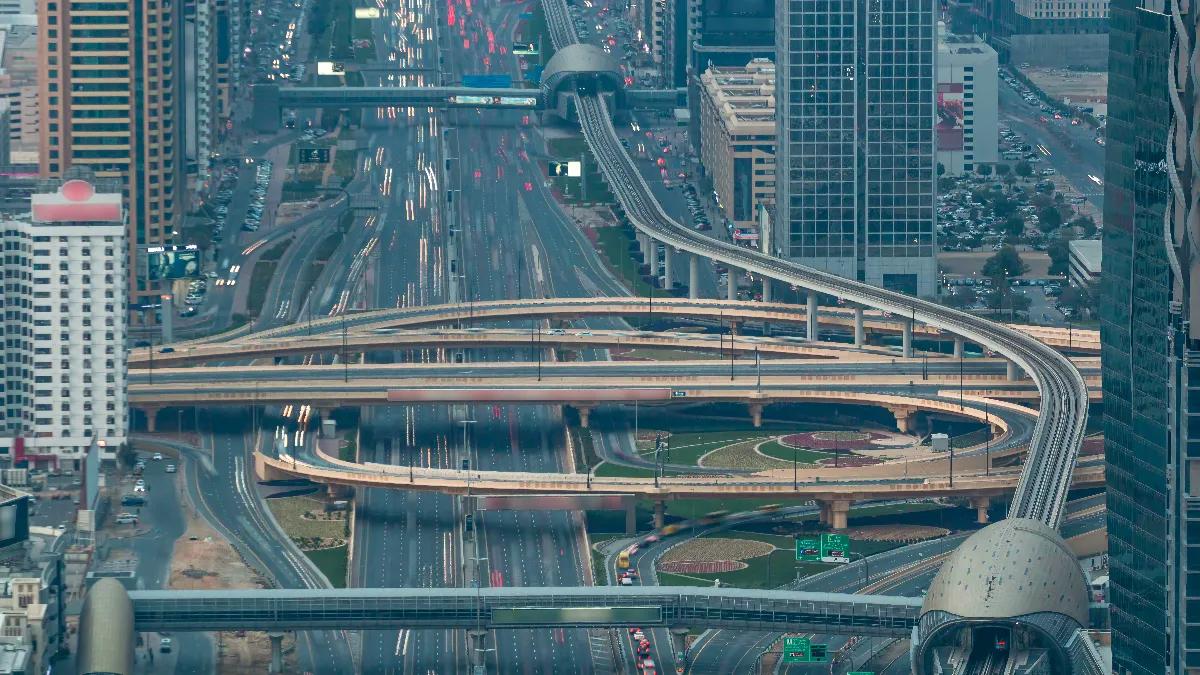
Monthly expenses
Living near a metro line can reduce monthly transport expenses by approximately AED 1,000+, a significant amount for first-time expats.
Food & Groceries: Expenses shaped by choice
Food expenses in Dubai vary widely, largely driven by lifestyle rather than necessity.
Dining out is optional:
Education & Childcare: A major budget factor
For families, schooling is often the most important recurring cost
Additional costs such as transport and activities can add up 10-20% annually if not planned for.
Healthcare & insurance: Important but variable
Health insurance is compulsory, with most employers providing basic coverage
Lifestyle, amenities & the "Soft Costs" most budgets miss
Lifestyle spending is where Dubai easily stretches budgets, not through an urgent necessity but through convenience and access.
Typical monthly lifestyle costs (realistic amount)
What salary ensures a comfortable lifestyle in Dubai for expats in 2026?
Based on current housing, transport, schooling and lifestyle costs, the following are some realistic price benchmarks:
The figure below refers to a monthly salaries (in AED)
Long-term residency and cost stability
Visa security is now a prime and essential part of financial planning. Long-term residency options, including pathways under the Dubai Golden Visa requirements, are making an impact on how expats think about renting versus buying, school continuity and asset-building.
Greater residency certainty reduces explicit costs, frequent moves, rent resets and schooling disruptions, which often have a larger financial impact than headline expenses.
How Dubai rewards informed decisions
Living in Dubai in 2026 isn't just about tackling high costs; it's about making smart lifestyle choices. Overseas buyers or investors who choose the right location, understand housing contracts and plan for the long term lead to better financial stability and a better life.
So, for expats, thinking beyond the short term, aligning housing decisions with future plans matters more than ever. And here is where Benham and Reeves helps residents and investors navigate Dubai's property landscape, whether that means renting smartly today or investing strategically for long-term residency and asset growth.

View all posts by Leanne Ruscoe

Benham and Reeves UAE
BRITISH OWNED & OPERATED

Al Marjan Island, Ras Al Khaimah
Jumeirah Islands, Dubai
Dubailand
Dubai Design District (d3)
Dubai Islands, Island B
Sign up to our newsletter
SubscribeLatest news
5 critical questions to ask before buying a resale property in Dubai
The tax-friendly environment, strong rental yields and high-quality developments have led the Dubai real estat...
Who's buying in Dubai - 2025 recap
Dubai's buyer base in 2025 was more diversified than at any point in its history. The motivations behind capit...

Top 10 Dubai property investment mistakes and how to avoid them
Dubai continues to attract global capital in 2026, but beyond these headlines of record transactions lies a gr...
Dubai real estate investment guide
Download our free guide to real estate investment in Dubai. A comprehensive guide designed to facilitate your real estate purchase and get the best return on investment.