
 United Kingdom
 China
China Hong Kong SAR
 India
India Indonesia
 Japan
Japan Malaysia
 Qatar
Qatar Singapore
 South Africa
 Thailand
 Turkey
Dubai property market forecast 2026 - Will prices rise or fall?
2026 is less about timing the market and more about choosing the right asset, location and strategy.
Property advice | 02.02.2026 | Leanne Ruscoe
Over the last few years, Dubai's property market has seen itself defying global uncertainty. With strong transaction volume, rising population inflows and sustained international demand, the city has successfully positioned itself as a destination where it is known for being one of the world's most resilient real estate destinations. However, as the market now moves into the 2026 era, new speculations are brimming.
Instead of asking whether Dubai real estate will "boom or bust" buyers and investors are more interested in knowing about the sustainability, segmentation and long-term value. The market is transitioning from rapid post-pandemic acceleration to a better structured growth phase, one being shaped by policy stability, economic diversification and an informed buyer behaviour.
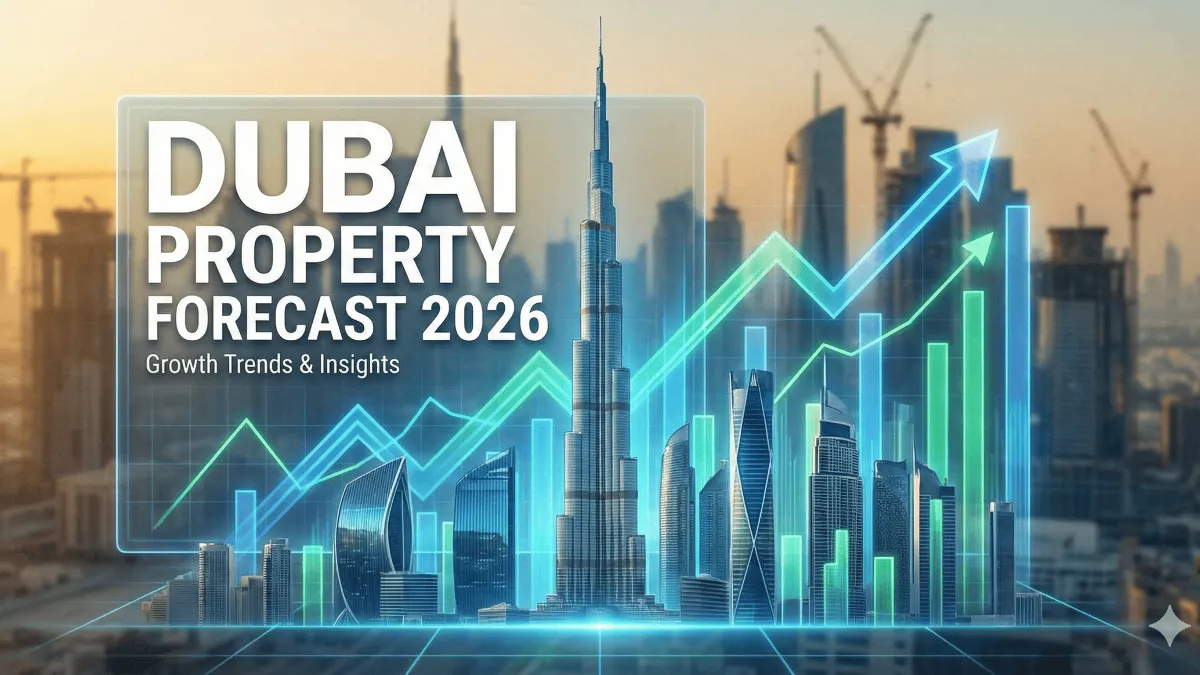
This marks 2026 a very crucial year, not because it signals the end of opportunity, but because it rewards strategic decision-making over speculation.
And this forecast breaks down what lies ahead, using scenario-based insights and deeper market analysis to help buyers and investors like you understand Dubai's property landscape with more clarity.
Key Takeaways for buyers & investors in 2026
Where does the Dubai property market stand in 2026?
Dubai now marks a successful entry into 2026, with strong fundamentals firmly in place. Price growth across most residential segments has been strong. Following a period of robust growth between 2022 and 2025, the market has shown clear and accurate signs of maturity rather than overheating. Here's a closer look at it:
Market activity & Size over a period of (2024-2025)
The UAE real sector has steadily grown, with total real estate transaction value across the Emirates getting up to an approximate value of AED 893 billion by the end of 2024. Of all these, Dubai accounted for around 226,000 transactions, making it the dominant hub nationally.
Price performance to date
Population growth driving the demand
With a statistical growth of 4.47% year on year to 4.03 million by October 2025, signifying continued inflows of workers, families and global residents.
These fundamentals create an increase in the transaction activity, price momentum and residential growth, providing a backdrop for the 2026 outlook.
Will property prices rise or fall in 2026?
The most realistic answer is: it depends highly on the segment and location.
2026 is unlikely to be a market where prices will rise uniformly; performance will vary across asset types and neighbourhoods.
To make a better sense of this variance, here's a clear breakdown of the scenario:
| Case | Market conditions | Price outlook | Who benefits |
|---|---|---|---|
| Best scenario | Strong global demand, consistent macro economy, controlled supply | Moderate price growth | Prime luxury buyers and long term holders |
| Mid level scenario | Balanced supply/demand, measured growth | Mid single digit appreciation | End-users and yield investors |
| Worst case scenario | Supply over demand, global economic downfall | Mild correction in weaker segments | Cash buyers in opportunity |
Best-case scenario: Growth momentum continues
In the best-case scenario, Dubai continues to enjoy its status as a global business and lifestyle hub. Capital inflows remain strong, interest rates stabilise, and investor confidence pretty much stays high.
Under such conditions, price growth is expected to be more concentrated rather than widespread. Real estate variations, including Prime waterfront locations, low-density villa communities, and branded residences, are likely to outperform due to sustained demand and limited availability.
Luxury assets are poised for the strongest upside, supported by overseas buyers seeking safe-haven investments and long-term capital preservation rather than short-term gains.
Key takeaway: In best-case scenarios, the premium and lifestyle-led assets drive market performance.
Base-case scenario: The most likely outcome for 2026
The base case scenario represents the most realistic outlook for 2026. In this case, Dubai's market stabilises into a good phase of measured growth, with prices in accordance with fundamentals rather than momentum.
Price appreciation becomes location and segment-specific. Established communities with proven rental demand continue to perform steadily, while the overly supplied or investor-heavy locations may experience slower movement.
Developers pay more attention to product quality, realistic pricing, and end-user appeal. Buyers benefit from increased property choices, better payment plans and greater negotiating power.
Key takeaway: 2026 rewards informed buyers and investors who prioritise fundamentals over mere speculation and anticipation.
Worst-case scenario: Understanding the downside risk
A worst-case scenario is likely to be triggered by global economic headwinds or sustained geopolitical uncertainty. That being said, Dubai's property market today is structurally far more resilient than in previous cycles.
Any market pressure would be selective rather than systematic, primarily affecting investor-heavy locations or segments with concentrated, homogenous supply. Prime and luxury assets, underpinned by cash-led demand and varied supply constraints, are expected to showcase considerably stronger resilience.
Risk exposure by different property segments:
| Property type | Risk level in downturn | Reason |
|---|---|---|
| Investor-heavy apartments | High | Large supply, price sensitive demand |
| Mid-market suburban units | Moderate | Demand-driven but price sensitive |
| Prime villas | Low | Limited supply, end-user demand |
| Luxury & ultra-prime | Very low | Cash buyers, global demand |
Key takeaway: Even in a downturn, Dubai faces a correction and not a collapse
Supply vs Demand in 2026: Looking over and beyond the headlines
News around new development launches often raises concerns about oversupply, but in fact, headline numbers don't really always show the full picture. In reality, many projects are delivered through each phase, face construction timelines, or span many years, indicating that the impact on the market is really immediate.
More importantly, new supply is not evenly spread across Dubai. Some apartment-heavy areas may experience short-term pressure due to higher volumes of similar units. In contrast, you can see that other segments, especially villas and luxury homes, continue to face limited availability.
Off-plan vs ready property outlook for 2026
Spotlight on the luxury & ultra-prime segment
Luxury real estate remains one of Dubai's most resilient segments heading into 2026. Demand for luxurious residences, waterfront villas and ultra-prime apartments continues to rise, driven by the influx of HNWIs, entrepreneurs, and corporations.
At the same time, supply growth is limited by land availability in desirable areas near developed districts and extended development timelines. This imbalance creates resilient house price movements and limits downside risk.
Why luxury property remains undersupplied
Luxury homes in Dubai are also seen as trophy assets, serving as holiday homes for the ultra-weathy, backed by investor-friendly guidelines and easy access to long-term residency.
At the same time, Dubai's growing population comprises of job opportunities and residency programmes that drives end-user demand, especially in established communities.
| Component | Impact on supply |
|---|---|
| Limited prime land | Restriction or delayed new launches |
| High development standards | Slower project delivery |
| Strong global demand | Rapid absorption of stock |
With 2026, supply pressure remains localised to specific locations and property types, not market-wide.
Key takeaway: Luxury real-estate offers scarcity, scalability and enduring value.
For end-users, 2026 presents a very comfortable and well-balanced year to buy property in Dubai. Also, with price growth slowing down in comparison to previous years, buyers no longer need to rush into decisions and can put their entire focus on choosing the right home.
Here's what you, as a buyer, can expect in 2026:
Key takeaway: 2026 is a strong year for buyers looking to buy a home for long-term residence, with stability, choice, and improved decision-making conditions.
What does this mean for investors in 2026?
For investors, Dubai's 2026 market is more about strategic selection and not just timing the market.
Here are the key things investors should focus on:
Key takeaway: 2026 will reward investors who focus on quality assets, diversify wisely, and take a long-term view rather than chase short-term market movements.
Final outlook: Is 2026 the right time to buy in Dubai?
Dubai's property market in 2026 is clearly defined by balance, resilience and real-time segmentation. While broad-based price surges may be behind us, the market continues to offer compelling opportunities for buyers and investors who understand its evolving dynamics.
With strict fundamental rules, controlled supply, and considerable international demand, particularly in the luxury segment, Dubai still remains one of the world's most attractive real estate destinations for long-term capital deployment.
How does Benham and Reeves play a key role here?
With more than sixty years of experience in advising international buyers, Benham and Reeves brings a rare depth of insight to Dubai's evolving property market. Supported and backed by strong on-ground intelligence and long-standing presence in the region, we strongly offer access to a carefully curated portfolio of new build homes, thoroughly designed off-plan opportunities and exclusive, undersupplied luxury developments.
Right from property selection and strategic negotiation to after-sales support, Benham and Reeves offers end-to-end support and guidance in respect to each of our clients investment objectives. Get in touch today to know more.
FAQs
Is 2026 the right time to invest in Dubai real estate?
Yes, the market is entering into a more sustainable growth phase. This favours investors who are trying to focus on long-term value, rental income and quality proven assets over short-term speculation.
Will Dubai property prices decline in 2026?
It is unlikely to see a major drop in the price. Some segments may stabilise or see minor corrections, but prime, well-located properties remain resilient due to strong underlying demand.
Will rental yields fall in Dubai 2026?
Rental yields are expected to stay competitive for now. Although rental growth may stabilise in some neighbourhoods, ongoing population growth will support healthy demand and returns.
Which areas in Dubai are safest for property investment in 2026?
Well-established, high demand locations with limited supply and strong infrastructure are considered to be the most secure, as they tend to perform and operate consistently across market cycles.

View all posts by Leanne Ruscoe

Benham and Reeves UAE
BRITISH OWNED & OPERATED
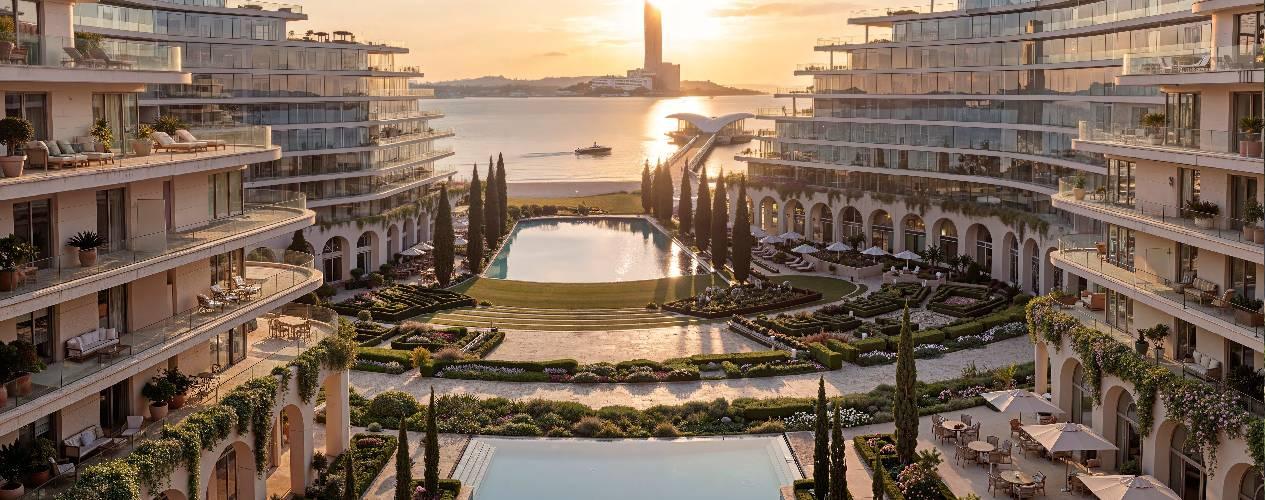
Al Marjan Island, Ras Al Khaimah
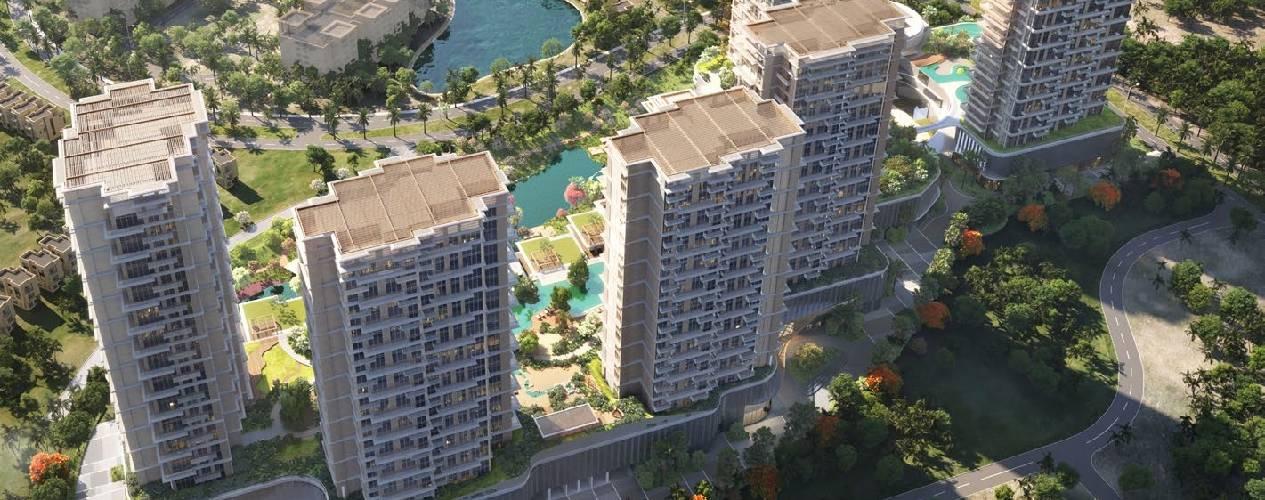
Jumeirah Islands, Dubai
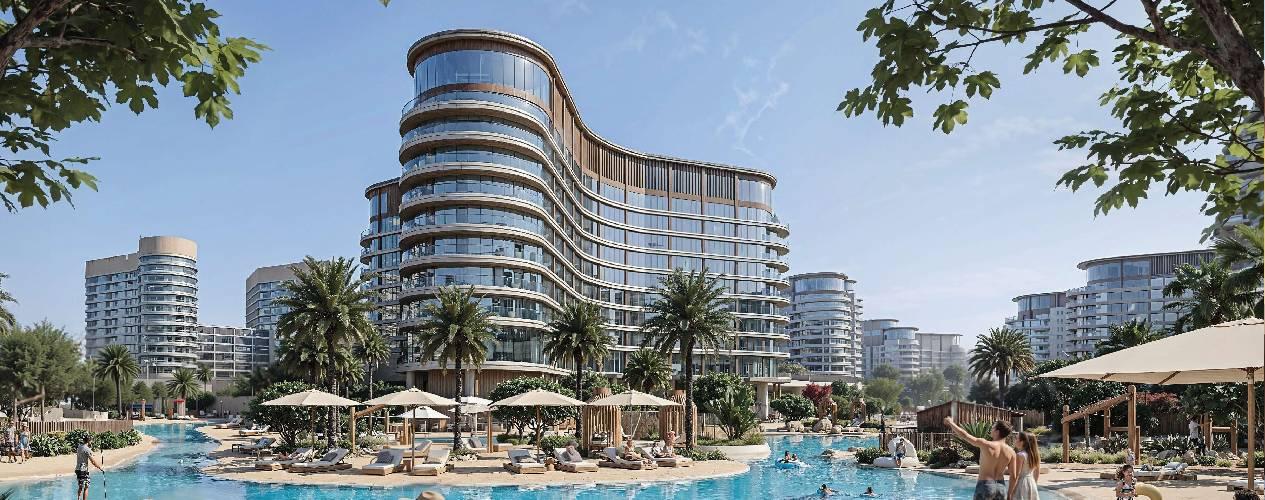
Dubailand
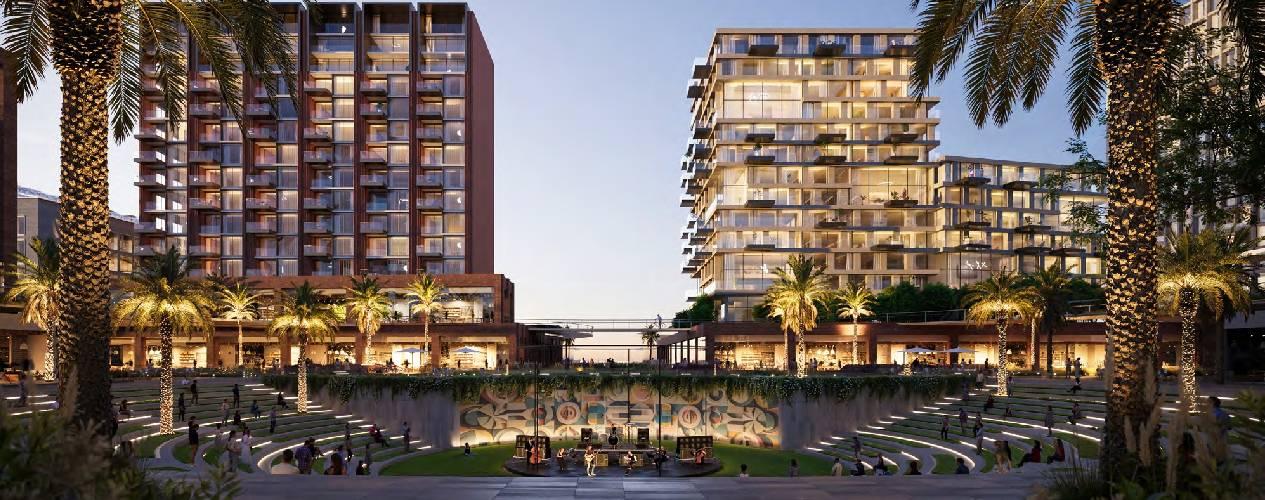
Dubai Design District (d3)
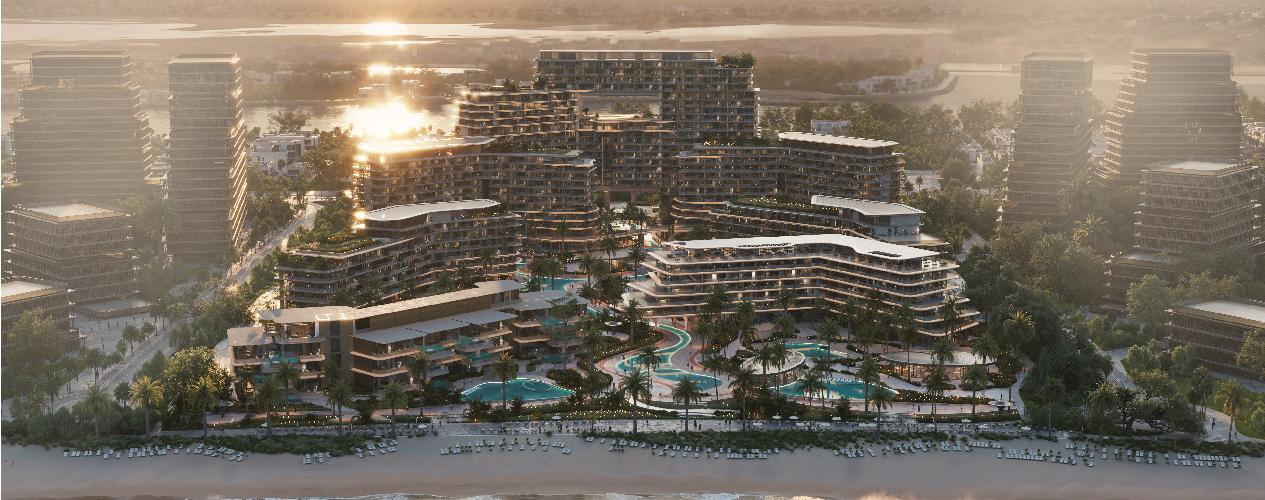
Dubai Islands, Island B
Sign up to our newsletter
SubscribeLatest news

The real cost of living in Dubai in 2026 - A complete expat budget guide
Dubai in 2026: Is it expensive or strategically in budget A common question expats still ask is: Is...
5 critical questions to ask before buying a resale property in Dubai
The tax-friendly environment, strong rental yields and high-quality developments have led the Dubai real estat...
Who's buying in Dubai - 2025 recap
Dubai's buyer base in 2025 was more diversified than at any point in its history. The motivations behind capit...
Dubai real estate investment guide
Download our free guide to real estate investment in Dubai. A comprehensive guide designed to facilitate your real estate purchase and get the best return on investment.